Slots Temple Deposits: Methods, Minimum and Limits
 Available in GB
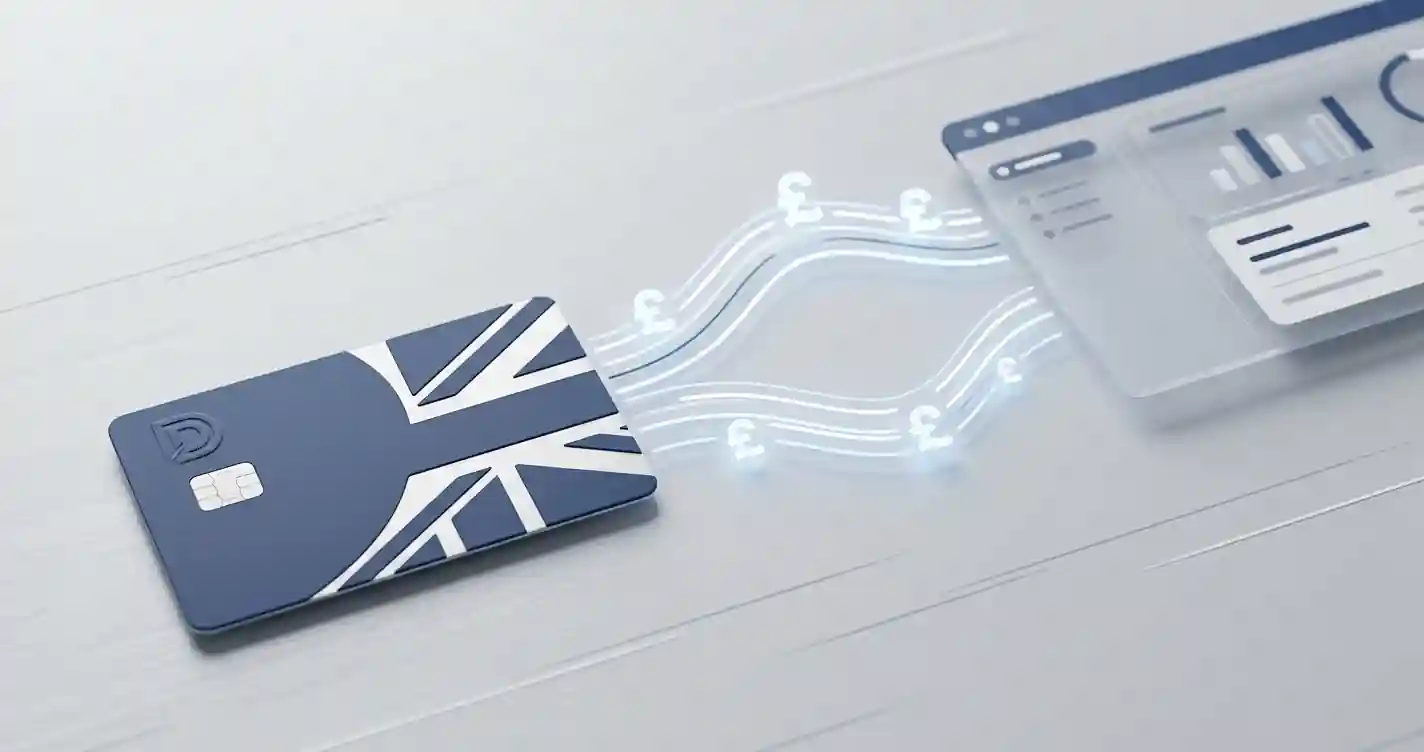
UK players can currently fund a Slots Temple account with a UK-issued personal debit card. The minimum deposit is £10, the listed deposit fee is none, and the current Slots Temple support page describes debit-card deposits as instant. The card must belong to you and be registered in your own name; business debit cards are not allowed.
Three concepts should be kept separate from the start. The £10 figure is the minimum transaction size. The accepted payment method is the personal UK debit card. A deposit limit is a safer-gambling control that caps how much money can be paid into the account over a chosen period. They are different rules, and none of them should be interpreted as a recommended amount to gamble.
For wider context across Slots Temple, see the full UK review.
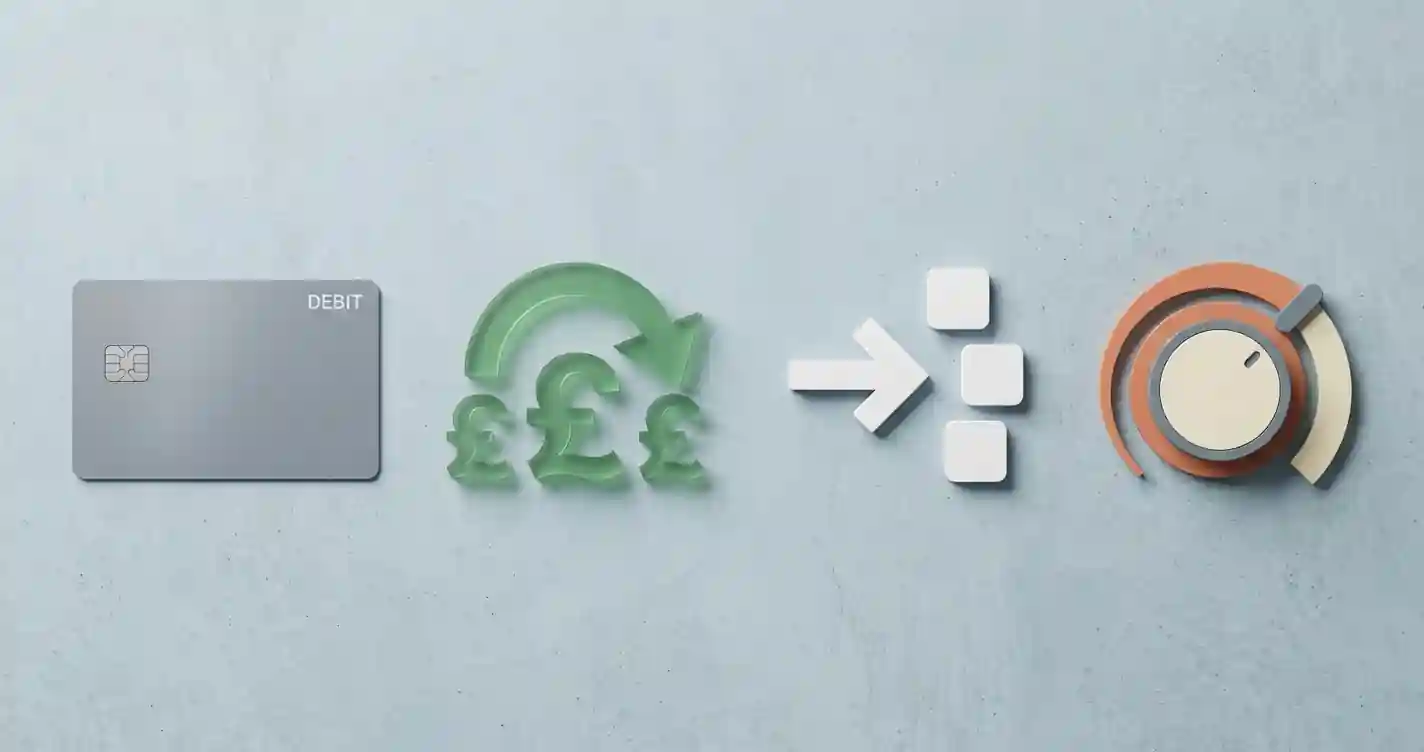
Table of Contents
- What deposit methods does Slots Temple accept?
- What is the minimum deposit?
- Are there deposit fees?
- How quickly are deposits credited?
- Why credit cards are not an alternative
- Deposit minimum versus deposit limit
- How to choose a deposit limit
- First-deposit checklist
- What if a deposit is declined?
- Why payment ownership matters for withdrawals
- Common deposit mistakes to avoid
- What to expect when depositing at Slots Temple
What deposit methods does Slots Temple accept?
For the wider product context, the Slots Temple review covers the casino as a whole.
The currently confirmed method is a UK-issued personal debit card. Slots Temple’s support page adds two ownership conditions: the card must belong to you and be registered in your own name, and business debit cards are not allowed.
That gives the deposit process a clear identity link. The funding source is expected to belong to the same person who owns the gambling account. It also reduces the value of generic casino payment lists because many popular methods are not confirmed by the current Slots Temple support material.
Apple Pay and Google Pay are specifically described on the deposit page as methods that will be coming soon. Until the operator changes that wording to current availability, they should not be treated as active deposit methods. The same caution applies to PayPal, Skrill, Neteller and bank transfer: common market availability is not brand-specific verification.
What is the minimum deposit?
The current minimum deposit is £10. This is simply the smallest deposit transaction currently listed for the accepted debit-card method. It is not a suggested starting balance and it is not an indication that £10 is suitable for any particular session.
A useful way to think about the figure is operationally. If you try to deposit less than the minimum, the payment does not meet the operator’s stated transaction rule. If you deposit more, the casino is not telling you that the higher amount is appropriate for your budget. Your personal limit should come from your own finances and any safer-gambling controls you choose to set.
The £10 minimum also sits separately from withdrawal rules. Slots Temple currently lists a £10 debit-card withdrawal minimum as well, but that does not mean the two transactions have the same processing path or timing. Deposit rules are separate from withdrawal processing.
Are there deposit fees?
Slots Temple’s current deposit support page lists no deposit fee for the current debit-card method. That means the operator is not currently presenting an additional casino-side charge for making the deposit.
It is still sensible to treat the word “fee” narrowly. Your own bank may have its own account terms, fraud controls or transaction handling. The absence of a listed casino deposit fee does not override your bank’s rules and does not guarantee that every attempted transaction will be accepted.
How quickly are deposits credited?
The Slots Temple support page lists debit-card deposits as instant. In normal use, that means the operator expects an approved card payment to appear without a separate multi-day settlement wait on the casino side.
“Instant” should not be read as “every payment is guaranteed to succeed immediately”. A transaction can still be declined because of card details, bank controls, available funds, identity mismatch or other payment checks. The correct response to a failed deposit is to identify the cause, not to increase the amount or repeatedly retry without understanding the problem.
Why credit cards are not an alternative
Great Britain-licensed gambling operators cannot accept credit-card funds for gambling. The restriction also covers indirect funding through e-wallets where the e-wallet allows a credit card to be used for gambling.
For Slots Temple users, that means a rejected debit-card deposit should not lead to a search for a credit-card workaround. The regulation is designed to prevent gambling with borrowed credit through this channel. A payment service does not make the underlying credit source acceptable simply because an extra step sits between the card and the casino.
If your debit card cannot be used, check whether the card is personal, UK-issued, in your own name and otherwise eligible under the operator’s current payment rules. If the problem continues, contact support instead of assuming another unverified method will work.
Deposit minimum versus deposit limit
The £10 minimum deposit is a transaction rule. A deposit limit is a personal safer-gambling control. From 30 June 2026, the UK Gambling Commission requires online operators to use the term “deposit limit” for a limit based solely on the amount a customer pays into the gambling account over a set duration.
This standardisation is useful because older product language could blur deposits, withdrawals and net spend. Under the current terminology, a deposit limit is about money paid in. Operators can still provide other types of financial controls, such as loss-based limits, but those should be described separately.
Slots Temple’s responsible-gambling information lists daily, weekly and monthly net deposit-limit controls. For a player, the practical point is that an account-level limit is a budgeting boundary, not a target. Setting a weekly limit of a particular amount does not imply that you should reach it.
How to choose a deposit limit
Start from money you can afford to lose without affecting rent, bills, food, savings or debt repayments. Gambling money should come after essential spending, not before it. Then choose a period that matches how you actually manage your budget. Some people think in weekly amounts; others plan monthly.
Keep the limit simple enough that you can understand it without mental arithmetic during a session. If you set several controls, know what each one measures. A deposit limit measures money paid into the account over time. It is not the same as a loss limit, a session timer or a card transaction maximum.
If your circumstances change, review the limit rather than treating it as permanent. Reducing a limit is a safety action, not a failure. The purpose of the tool is to give you a clear boundary before emotion or game momentum influences decisions.
First-deposit checklist
- Use your own card. The current method requires a personal UK-issued debit card in your own name.
- Check the £10 minimum. Do not submit an amount below the current transaction floor.
- Set a budget first. Decide what you can afford before entering the cashier rather than using the minimum as your budget.
- Check card details carefully. A simple data-entry error can cause a decline.
- Make sure funds are available. Do not rely on overdraft or borrowed money as a gambling budget.
- Use account limits deliberately. A daily, weekly or monthly limit should act as a ceiling, not an invitation to spend up to it.
- Keep ownership details consistent. The same account identity can matter later when you withdraw or complete verification.
What if a deposit is declined?
Begin with the facts you can check yourself. Confirm the card is a personal UK debit card rather than a business card or credit card. Make sure it is in your name, the entered details are correct and the account has sufficient available funds. Then check whether your bank has blocked the transaction or needs you to approve it.
A decline does not prove that Slots Temple has silently added another payment method. Do not move to an e-wallet, bank transfer or mobile wallet unless the operator’s current payment page actually lists it as available. Unsupported assumptions create more confusion when you later try to withdraw.
If you cannot identify the cause, use support. Keep the amount unchanged while troubleshooting so you are not increasing spend merely because a payment attempt failed.
Why payment ownership matters for withdrawals
Slots Temple’s withdrawal support page says that if you previously made a deposit, you must use the same card for withdrawals for security reasons. That makes the first funding choice more important than it might appear.
Using your own stable debit card helps maintain a clean connection between account identity, deposit source and later cashout destination. If a card is close to expiry or likely to be replaced, keep records and be prepared to follow the operator’s support process if the withdrawal method needs to be updated.
For identity requirements beyond payment ownership, use the dedicated Slots Temple verification. For the wider banking picture, including the current withdrawal minimum and processing stages, see the Slots Temple payments and the dedicated withdrawal guide.
Common deposit mistakes to avoid
- Using a business debit card when the support page specifies personal debit cards only.
- Trying to use a credit card directly or indirectly for gambling.
- Assuming Apple Pay or Google Pay is already active because it is mentioned as coming soon.
- Treating the £10 minimum as a recommended stake or session budget.
- Confusing a deposit limit with a transaction minimum.
- Using another person’s card and creating an avoidable ownership mismatch.
- Repeatedly retrying a declined payment without checking the cause.
What to expect when depositing at Slots Temple
The current UK deposit setup is straightforward. Slots Temple currently accepts a UK-issued personal debit card, requires a £10 minimum deposit, lists no deposit fee and describes approved debit-card deposits as instant. The card must belong to you and be registered in your own name, and business debit cards are not accepted.
Keep payment rules and safer-gambling rules separate. The £10 minimum is a transaction floor; a deposit limit is a personal account control over money paid in during a defined period. Credit cards cannot be used for gambling in Great Britain, directly or indirectly through an e-wallet. If you want a casino with a long current list of e-wallets and mobile wallets, Slots Temple’s current setup is presently much narrower.
Prepared by the Slots Temple Casino editorial staff.